Learn what conversion of goods means under Ghanaian law, when it occurs, the rights of the owner, and the legal remedies available for wrongful interference with personal property
ACTION FOR CONVERSION OF GOODS IN GHANA: Meaning And Legal Remedies

Learn what conversion of goods means under Ghanaian law, when it occurs, the rights of the owner, and the legal remedies available for wrongful interference with personal property

Learn how to bring an action for private nuisance in Ghana, including its essential elements, examples, relevant court cases, damages and injunctions.
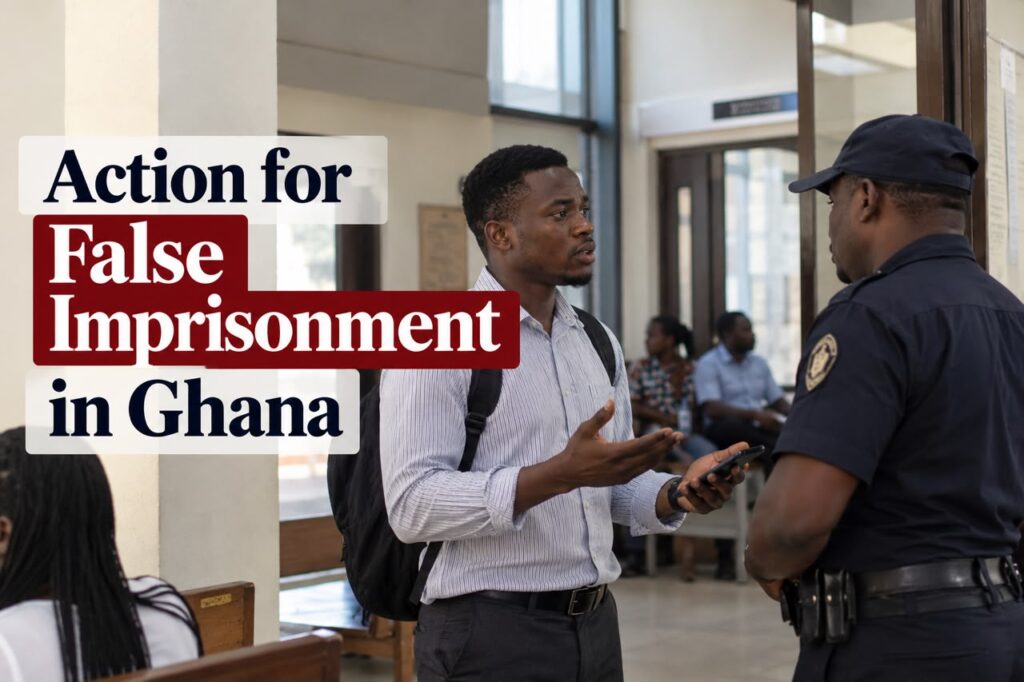
Learn about false imprisonment in Ghana, the meaning of unlawful detention, Article 14 of the 1992 Constitution, relevant court cases, and how to claim compensation for unlawful arrest or detention.
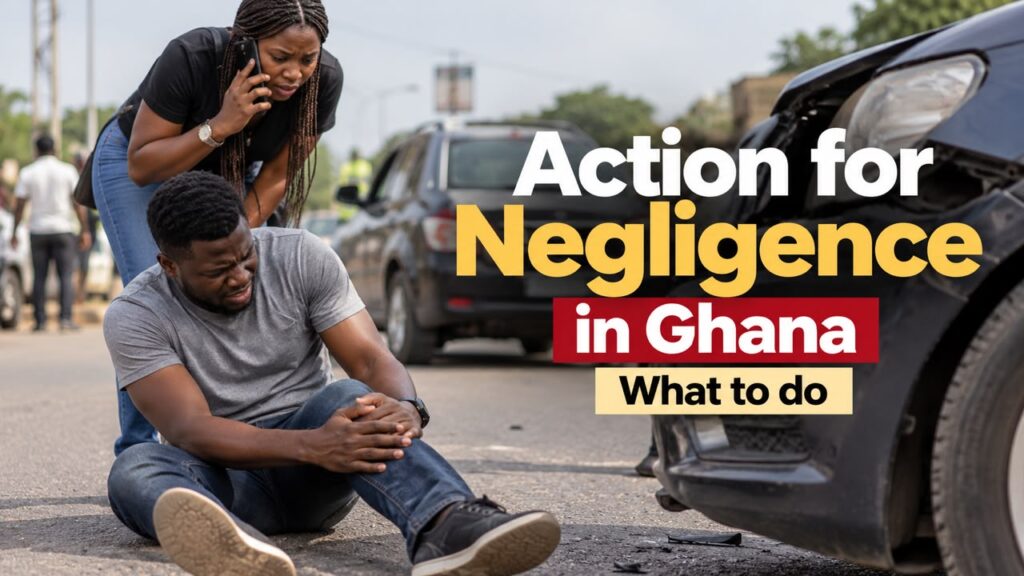
Learn how to sue for negligence in Ghana, the elements you must prove, relevant Ghanaian case law, available defences, remedies and steps for claiming compensation.
False imprisonment is one of the most important torts protecting personal liberty. It may arise from an unlawful arrest, police detention, detention by a private individual, or even situations where a person is prevented from leaving without being physically locked in a room. But does false imprisonment require physical force? Must the person know that they are being detained? Can the police keep someone for more than 48 hours without taking them to court? Can a private person lawfully restrain someone suspected of committing a crime? This article examines what false imprisonment means under Ghanaian law and answers some of the important questions surrounding unlawful detention and personal liberty.
The right to own or occupy land extends beyond merely having legal title or possession. It also includes the right to enjoy one’s property peacefully, comfortably, and without unreasonable interference from neighboring landowners or occupiers.
“Relax, it was only a joke.”
Those words are often heard after a prank goes wrong. A fake emergency, a staged robbery, a frightening costume, a false story about a loved one, or even a carefully planned “harmless” scare may seem funny to the person behind it.
But what happens when the person being pranked suffers serious psychological or physical harm? Can you be legally responsible even if you never intended to physically hurt anyone?
The answer may be YES.